It is the afternoon before a major fixture. Your designer needs the final angle, your social lead is waiting for approval, and someone has just asked whether the same post can run in Nigeria and Ghana.
You have a capable content team. What you lack is an agreed brief that lets everyone move without reopening the same questions.
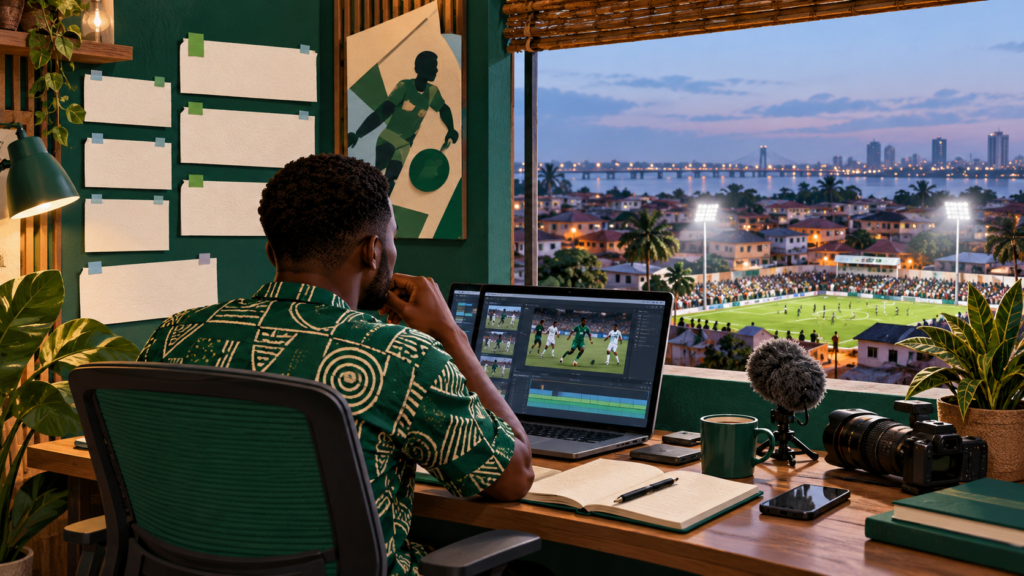
A Matchday Content Desk gives your football coverage a repeatable production process: verified match information, a specific audience question, channel-ready copy, named approvals and a review of what happened after publication. You can commission that work around your existing team rather than replace it.
Your fixture brief should answer a reader question before it promotes an offer
Start with the information your intended adult audience needs. Are you explaining a competition format, putting a fixture in context or helping readers understand a product feature? A bonus announcement can have its place, but it should not determine every editorial angle.
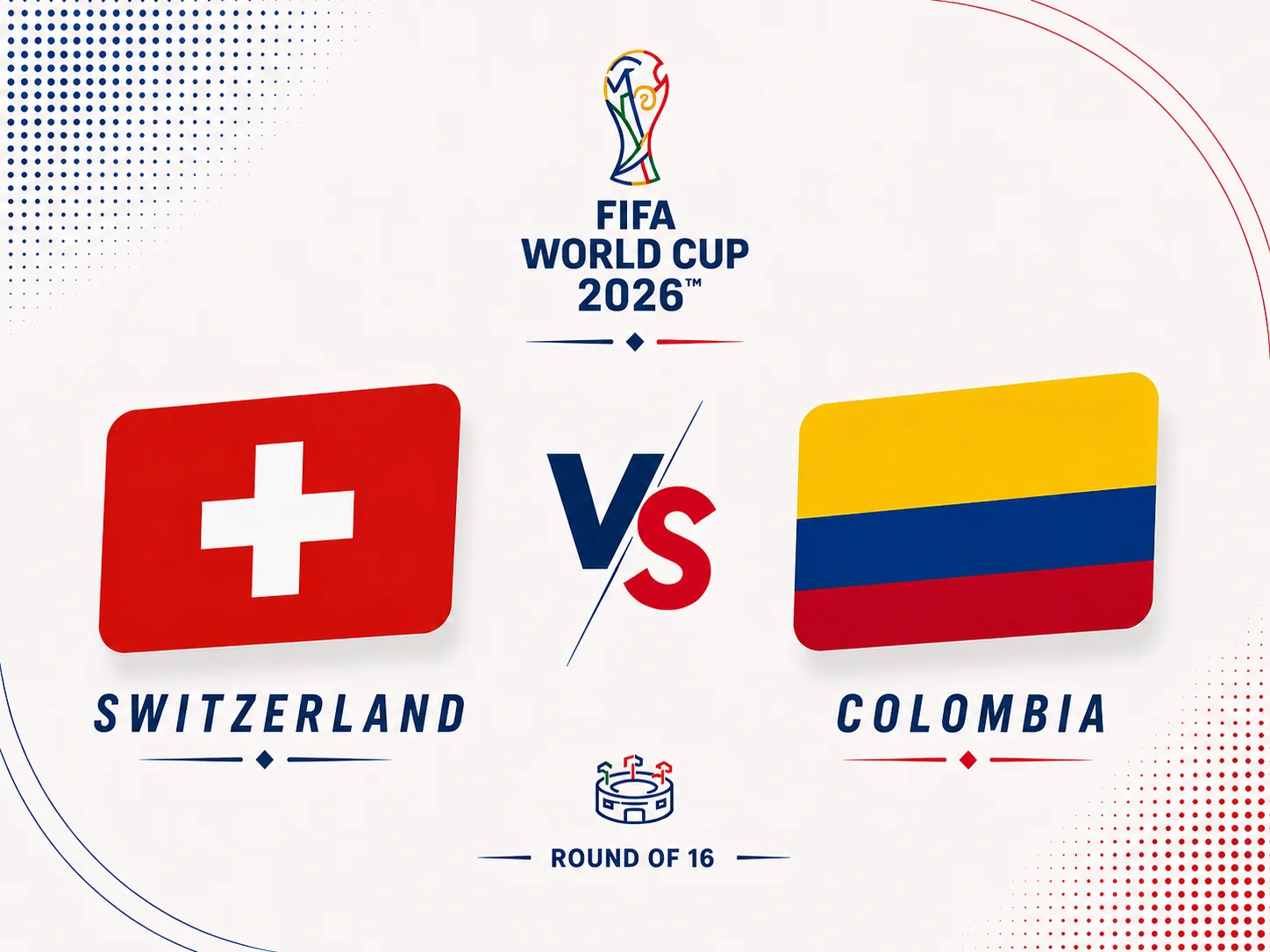
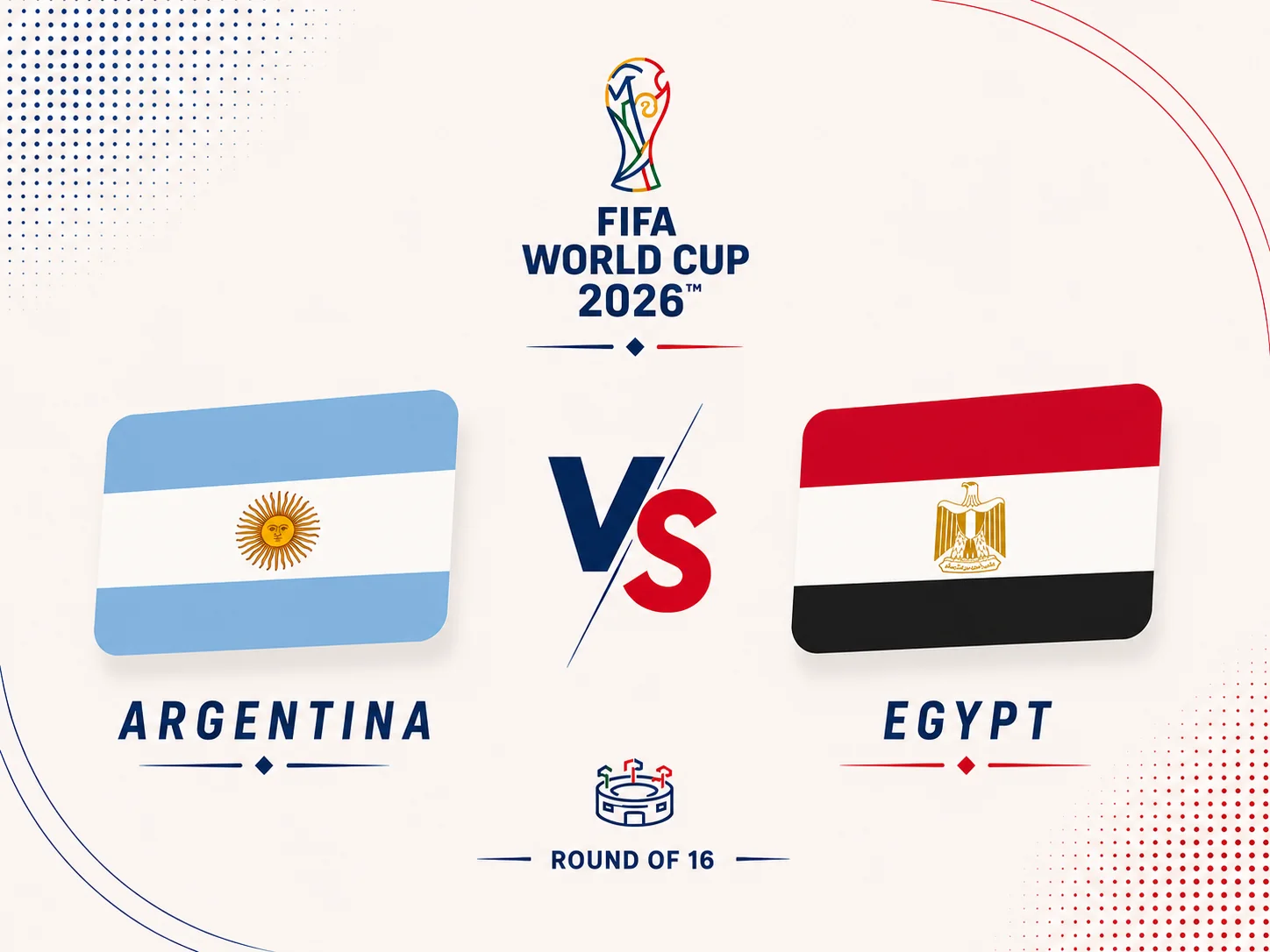
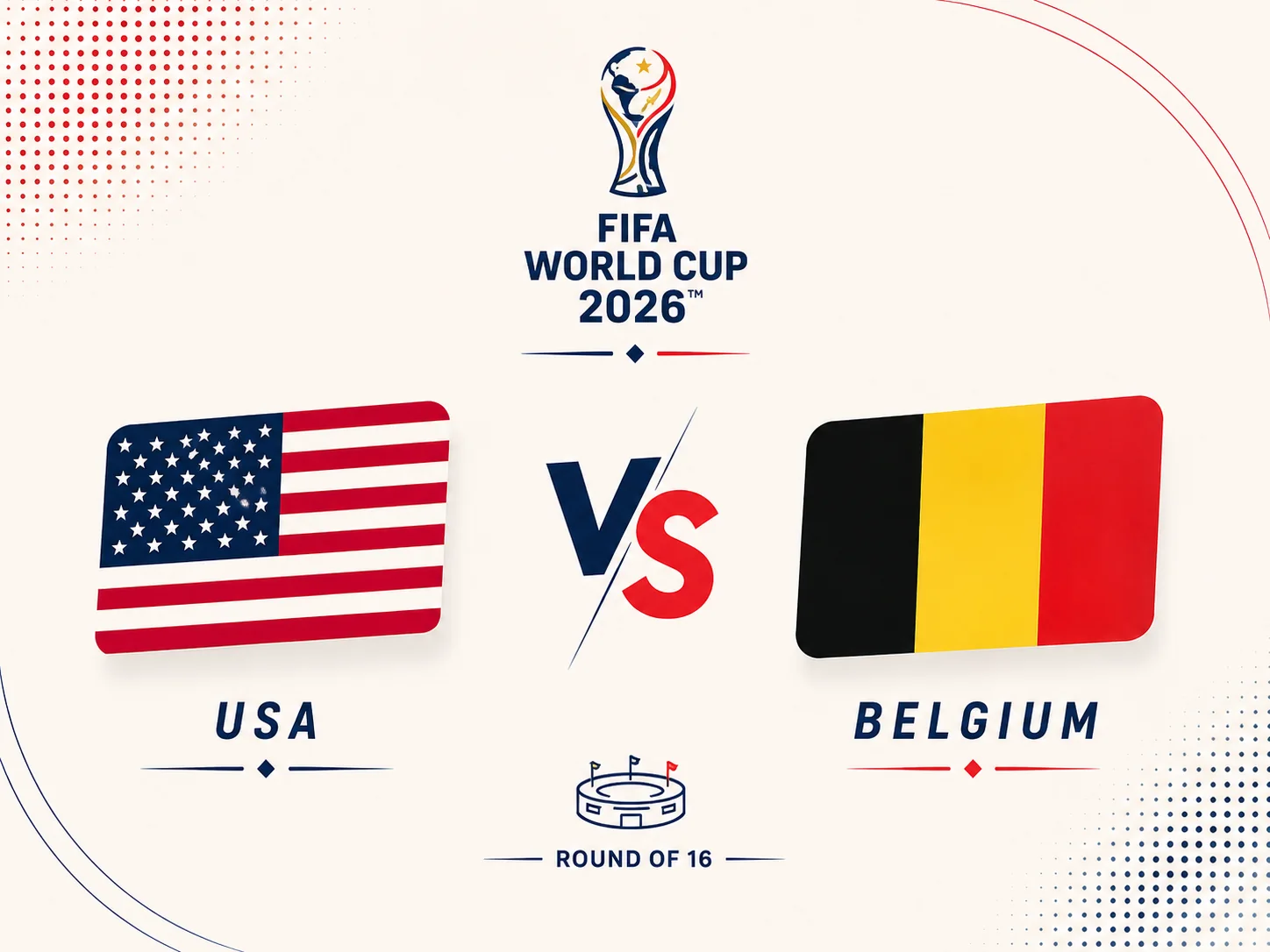
Consider a worked planning example. UEFA’s fixture list, updated on 21 October, lists Barcelona against Aston Villa for 3 November 2026. That gives your team a verified starting point, not a complete content brief. Confirm the fixture again before publishing, record the source time zone and convert the kick-off for each audience.
Your brief then states the editorial question: what should a reader understand before this match? The answer might concern the competition context or a clearly explained market type. Any team news needs its own current source. Leave unconfirmed line-ups out, and keep predictions distinct from facts.
Your local audience evidence should shape timing, language and format
A Nigerian and a Ghanaian audience can follow the same fixture while encountering your content at different times and through different channels. Your own analytics, audience questions and support records should guide those choices. Nationality alone does not establish a language preference or a viewing habit.
For this example, prepare a Nigerian and Ghanaian edition with the appropriate local time. Change terminology only where you can explain why it helps your audiences. If you lack evidence about channel preference, state the assumption internally and test it through a small, agreed distribution plan.
This follows the distinction in our guide to iGaming localisation in Africa: familiar imagery can create recognition, but the information and experience still need to fit the people you intend to reach.
One approved match brief can support several distinct channel assets
Your website article can explain the fixture context and answer the reader’s main question in full. Its headline should describe that answer, with relevant internal links rather than repeated promotional keywords.
A social card needs a narrower job. It might introduce the single question that the article answers, using a rights-cleared image or original illustration. The caption should give enough context to earn a click without pretending the article contains exclusive team information.

A message for an opted-in audience should be shorter still: the relevant local time, one reason to read and a direct link. Use only channels and permissions you actually hold. Do not treat access to a telephone number as consent to send marketing.
After the match, publish a factual follow-up where your plan calls for one. Record what changed, correct any earlier error and identify the next editorial question. Never rewrite a pre-match prediction to make it look successful.
Your approval process needs a named owner and a missed-deadline rule
Before your first production cycle, agree the fixture-selection deadline, source-check point, draft deadline and approval cut-off. Name the person who can approve the copy and the person who can withdraw it if circumstances change.

Your commercial or compliance owner should check offer terms and jurisdiction-specific requirements where they apply. Your publishing owner should confirm the destination page, image rights and links. If approval arrives too late, hold the asset or use a previously authorised evergreen alternative. Silence should never count as approval.
Your monthly Desk scope should make the work and exclusions explicit
iGW’s Matchday Content Desk starts from $1,500 per month. The agreed scope defines your output count, channels, delivery calendar, approvals and revisions. Publishing and community management belong in the agreement only when you expressly include them.
You supply the brand voice, target audience, existing calendar, rights-cleared materials and approval access. iGW develops the agreed local angles, briefs and copy. Your in-house team retains its responsibilities, with a clear boundary around the work you commission. Confirm scope and capacity before treating any proposed output as committed.
Your learning note should explain what to change for the next fixture
Record whether the team published on time, which questions readers raised and which content paths they followed. Compare like formats over comparable periods. A document interaction, website visit and verified enquiry describe different actions; none alone establishes additional operator revenue.
Finish each cycle with one decision: repeat the angle, improve the explanation or stop that format. That gives your next brief a reason to improve instead of starting from another empty content slot.
If your team repeatedly loses matchday production time to unclear briefs or approvals, bring your next fixture calendar and current workflow to iGW. We can agree a Matchday Content Desk scope around the work your team actually needs covered.