South Africa’s National Lottery has never struggled with awareness. Millions already understand the dream behind it. Buy a ticket, hope your numbers land, and maybe life changes overnight. But the main issue has been trust in governance and transparency. There are no guarantees that the billions flowing through the system will genuinely reach the social projects attached to the lottery’s public image.
This is the environment Sizekhaya Holdings is stepping into as it officially take over operations of South Africa’s National Lottery and Sports Pools system on 1 June.
Modernisation Built Around Access and Visibility
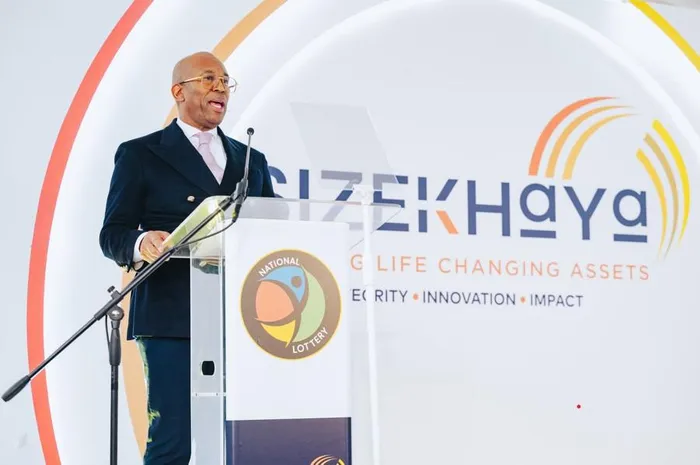
At a joint stakeholder event with the National Lotteries Commission (NLC), Sizekhaya outlined plans to modernise the lottery system through retail and digital channels, increase participation, and bring back live televised draws.
Chairperson Moses Tembe described the transition as more than a business handover. “As Sizekhaya, we understand clearly that we are not only operating a business. We are acting as custodians of a national institution,” Tembe said.
He also framed the lottery as both entertainment and a development tool. “The National Lottery occupies a unique place in our society. For sure, it is a game of possibility. Every week, millions of South Africans participate in the hope that life may change for the better. But the lottery is also much more than that; it is a national instrument for development, opportunity and social impact,” he said.
The framing matters because lotteries operate differently from sportsbooks or casinos. A sportsbook mainly competes for betting activity, while a national lottery carries political, social, and public-interest expectations. This is why “modernisation” alone will not automatically win people over.
Across Africa, gaming operators are increasingly positioning themselves around digital convenience because betting behaviour has shifted heavily toward mobile phones. But easier access creates two realities at once. It improves participation, while also increasing exposure for financially vulnerable users who treat gambling as an income strategy instead of entertainment.
“More Winners” Sounds Attractive, but the Details Matter
Sizekhaya repeatedly spoke about creating more winners and building a more inclusive lottery experience. This sounds player-friendly on paper. But in practice, it depends entirely on how prize structures are redesigned.
Lotteries work by redistributing pooled ticket money after operational costs, taxes, and allocations are removed. So when operators talk about “more winners,” it does not necessarily mean people are winning bigger amounts or improving their long-term outcomes. Sometimes it simply means more smaller payouts spread across more players. The distinction is important. Frequent small wins often encourage players to continue participating because psychologically, people feel closer to a larger jackpot. This is a common retention mechanism across gambling products globally.
Therefore, the strategy is not unethical by default. But it prioritises transparency over marketing language.
In African markets especially, lotteries attract a broader audience than sports betting. Many participants are casual players, older demographics, or lower-income users who may not deeply understand payout mechanics or probabilities. If operators want to build trust, clarity around prize distribution must be as important as flashy campaigns on accessibility and innovation.
Governance Questions Are Still Following the Licence Process
The timing of Sizekhaya’s launch also matters because the licence process has faced political scrutiny. Questions raised in South Africa’s National Assembly linked the lottery tender to allegations involving politically-connected individuals and possible conflicts of interest.
Deputy President Paul Mashatile rejected those claims and pointed to an existing investigation handled under Trade, Industry and Competition Minister Parks Tau. “So you don’t need another investigation,” Mashatile said. “That investigation, if I’m correct, is probably about to be concluded.” This explains why Sizekhaya’s messaging around transparency and accountability feels so deliberate.
The scrutiny around the National Lottery is strong because the product is tied directly to charitable funding and development programmes. So, the participants demand fair draws and systems. Bettors, retailers, regulators, and community organisations should care less about launch messaging and more about visible accountability once operations fully begin.
Source: E-play Africa