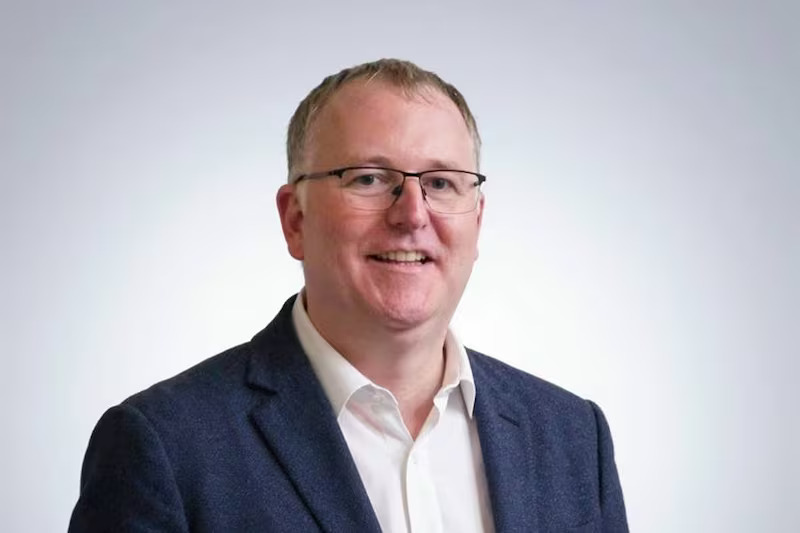
In February 2026, Sun International appointed Mark Sergeant as Chief Operating Officer for land-based gaming.
Sergeant arrives with over 25 years of experience across gaming, hospitality, and international casino operations. His background includes senior leadership roles at Genting Casinos, where he oversaw a portfolio of 35 casinos in the United Kingdom, an integrated resort in Cairo, and two online gaming businesses. He also previously served as Managing Director at Gala Casinos.
Sun International is not hiring for maintenance of legacy operations. Instead, the company is reinforcing leadership capacity to keep up with the shifting balance between land-based and online gambling.
Digital Pressure Reshapes the Core Business Model
South Africa’s land-based gambling sector, historically the backbone of operators like Sun International, recorded a 4.1% decline in gross gaming revenue in 2025. At the same time, online gambling is expanding aggressively, with an estimated 60% market share by the end of 2025. This represents a structural redistribution of player attention driven by convenience and mobile access.
Being an operator with primarily land-based operations, such as GrandWest in Cape Town, appointing Sergeant is a move that aligns with the changing times. Speaking at Sigma Africa 2026 in Cape Town, Sun International CEO, Ulrik Bengttson distinguished the features of a digital business model. For online platforms, the focus is speed, usability, and navigation.
Conversely, land-based operations are positioned around experiential value that digital platforms cannot replicate. However, both models can share connected systems such as loyalty programs, payments, and data.
Fragmented Regulation Raises Structural Friction
The regulatory environment complicates this transition, as South Africa lacks a unified national framework for online gambling. Instead, regulation is fragmented across nine provincial licensing systems. For operators attempting to build national or cross-border digital products, it creates inconsistent rules that slow execution.
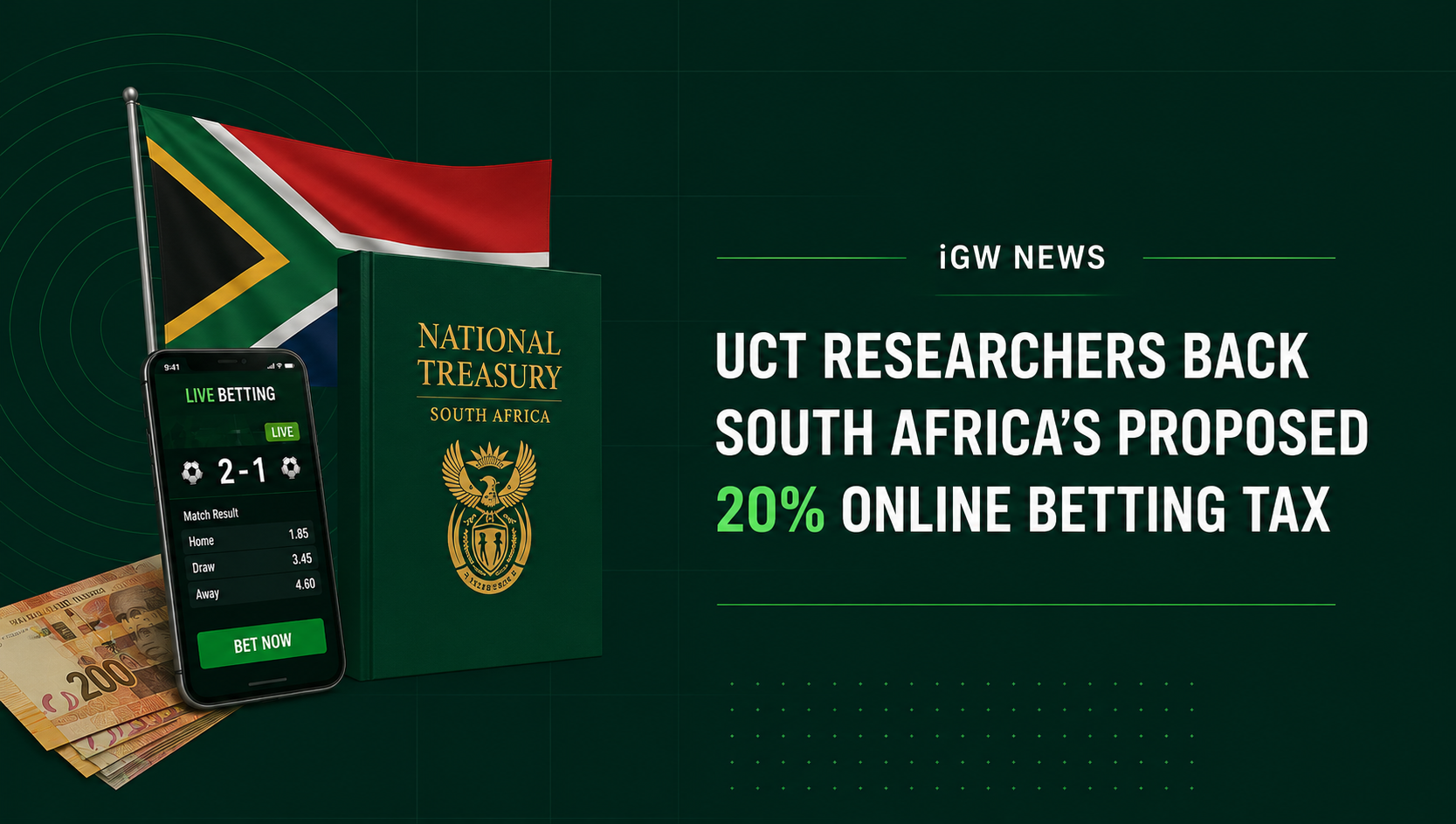
Regulatory uncertainty intensified in late 2025 when the National Treasury proposed a 20% national tax on online gross gaming revenue. Submissions closed in February 2026, but the proposal has dominated industry dialogue.
When tax structures and licensing laws remain fluid, operators are forced to make strategic decisions under incomplete information. Therefore, they favour flexibility over building long-term infrastructure.
Strategic Implication for African Gambling Markets
Sun International’s move reflects a wider industry pattern of legacy operators reorganising their operations around digital products. However, there are three main forces driving this shift.
First, user demand is mobile-first. Most bettors now access platforms via smartphones, which lowers entry barriers. Market growth is also increasingly driven by digital-native behaviour, while regulatory fragmentation across African markets is forcing operators to design adaptable systems.
The underlying question is no longer whether digital will dominate, but how hybrid models will be structured in markets with differing regulations and consumer behaviour. Sun International’s 2026 positioning suggests that the company is building for a future where land-based and digital gambling are interconnected components of a single system.
Source: E-play Africa